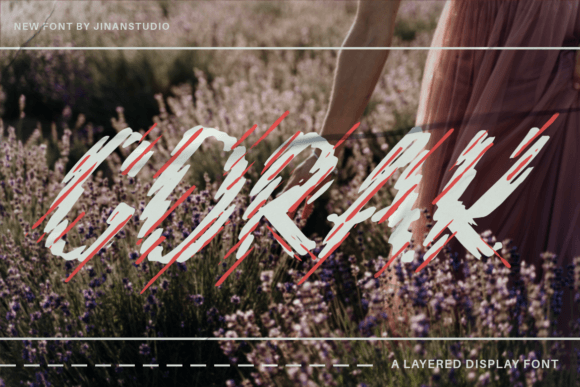
Corak: The Bold Display Font for Unforgettable Branding
There's a moment in every design project where the typography either falls flat or makes the entire composition sing. If you've ever struggled to find a typeface that commands attention without sacrificing personality, Corak might be the missing piece in your creative toolkit. This strikingly bold display font, expertly crafted for sign painting aesthetics, brings a rare combination of robustness and elegance that can transform ordinary designs into memorable visual statements.
Understanding Corak's Visual Character
What immediately sets Corak apart from standard display fonts is its intentional balance between strength and sophistication. The thick, confident strokes give each letterform substantial visual weight, while the carefully considered curves and terminals prevent the font from feeling heavy or industrial. This isn't a typeface that whispers—it speaks with authority while maintaining a refined sensibility that works across diverse applications.
The letterforms themselves carry subtle nods to traditional sign painting techniques, where each stroke was applied with purpose and precision. Yet Corak translates these analog qualities into a digital format that feels thoroughly contemporary. You'll notice how the slightly condensed proportions create efficient use of space without crowding letters together, and how consistent stroke widths throughout each character maintain readability even at smaller sizes. The font's design team clearly understood that impact and legibility need to coexist rather than compete.
For designers exploring premium font options, Corak presents an interesting case study in how display typefaces can serve multiple purposes. Its bold nature makes it an obvious choice for headlines and logos, but the thoughtful construction also allows it to function effectively in shorter body copy contexts where personality matters more than extended reading comfort.
Practical Applications Across Creative Projects
Consider a small business owner launching a new product line. The packaging needs shelf presence, the social media graphics require scroll-stopping power, and the brand identity demands consistency across touchpoints. Corak addresses all three challenges simultaneously. Its bold character ensures packaging stands out in crowded retail environments, while the distinctive letterforms create instant recognition across Instagram posts and Facebook ads.
Logo design represents another natural home for this typeface. The font's inherent confidence translates beautifully into brand marks that need to communicate reliability and creativity in equal measure. Whether you're designing for a craft brewery, a boutique clothing label, or a creative agency, Corak provides a foundation that feels established yet fresh. The included letterforms work particularly well when combined with simpler sans serif or script fonts for secondary text elements.
Editorial designers will appreciate how Corak elevates magazine covers, book jackets, and poster layouts. The font's visual impact means fewer supporting design elements are needed to create compelling compositions. A single well-set headline in Corak can anchor an entire page spread, giving photographers and illustrators more breathing room in their layouts while maintaining strong typographic hierarchy.
Digital applications reveal Corak's versatility in unexpected ways. Website hero sections benefit from the font's commanding presence, while email headers and newsletter graphics gain professionalism and memorability. For content creators producing digital products like online courses or downloadable templates, Corak adds a polished, cohesive feel that suggests careful attention to quality and design sensibility.
Strategic Considerations for Font Selection
Choosing the right display font involves more than aesthetic preference—it requires understanding how typography communicates brand values and connects with target audiences. Corak's personality suggests brands that are confident, creative, and willing to stand out from competitors. This makes it particularly effective for businesses in creative industries, artisanal products, lifestyle brands, and any company wanting to project approachable professionalism.
When matching Corak to specific project goals, consider the emotional response you want to evoke. The font's bold strokes and distinctive character create feelings of reliability and creativity, making it suitable for brands that want to appear both trustworthy and innovative. For more traditional or conservative applications, you might pair Corak with cleaner supporting typefaces to soften its impact while retaining its character.
Font pairing deserves careful attention when working with any display typeface. Corak's strong personality means it works best alongside quieter companions that complement rather than compete. Consider pairing it with clean sans serif fonts for body text, or elegant script fonts for accent elements. The key is creating contrast in weight and style while maintaining visual harmony throughout your design system.
Readability testing remains crucial even with display fonts intended primarily for headlines. Always preview Corak at the actual sizes where it will appear in your final designs. Check how letterforms interact at different scales, and pay particular attention to character spacing in your specific applications. What works beautifully on a poster might need adjustment for a business card, and what shines on a desktop screen might require different treatment for mobile viewing.
Before committing to any commercial font for client work or business applications, review the licensing terms carefully. Most premium fonts like Corak include licenses for specific usage types, and understanding these terms protects both you and your clients. Many font designers offer different license tiers depending on project scope, so take time to select the appropriate option for your intended applications.
Integrating Corak Into Your Design Workflow
Successful typography implementation begins with understanding your complete design ecosystem. Before selecting Corak for any project, map out all the contexts where the font will appear. Consider how it will function across print materials, digital platforms, merchandise, and environmental applications like signage or event graphics. This holistic approach ensures visual consistency while revealing potential challenges early in the design process.
Testing font pairings should happen before finalizing any design direction. Create sample layouts that include Corak alongside your proposed secondary and tertiary typefaces. Evaluate these combinations across different sizes and applications to ensure they maintain readability and visual appeal throughout your entire project scope. Pay special attention to how different weights and styles interact when used together in close proximity.
For brands developing comprehensive visual identities, Corak can serve as a cornerstone typeface that anchors the entire system. Its distinctive character provides a recognizable foundation that other design elements can reference and support. This approach works particularly well for businesses that want their typography to become an integral part of their brand recognition strategy.
The font's multilingual support opens doors for global applications and diverse audience engagement. Whether you're creating materials for international markets or simply want to accommodate multilingual content within single designs, Corak's extensive character set provides the flexibility needed for modern communication challenges. This feature alone makes it a valuable asset for businesses operating in increasingly connected, multicultural environments.
Remember that great typography serves the overall design rather than dominating it. Corak's bold presence means it can easily overwhelm more subtle design elements if not balanced thoughtfully. Use its strength strategically, allowing sufficient visual breathing room and supporting contrast to create compositions that feel dynamic yet harmonious. The most effective applications of any powerful display font occur when designers respect its personality while maintaining control over the overall visual narrative.