Margin Display: A Groovy Typeface for Bold Branding
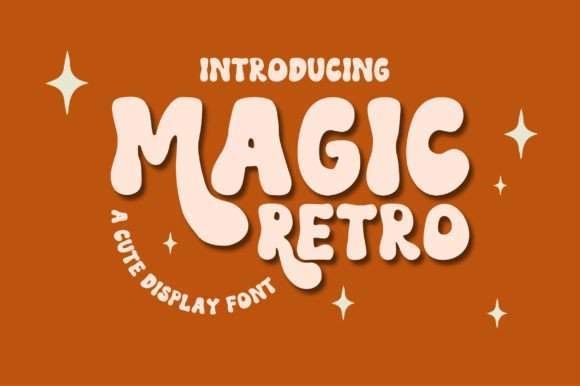
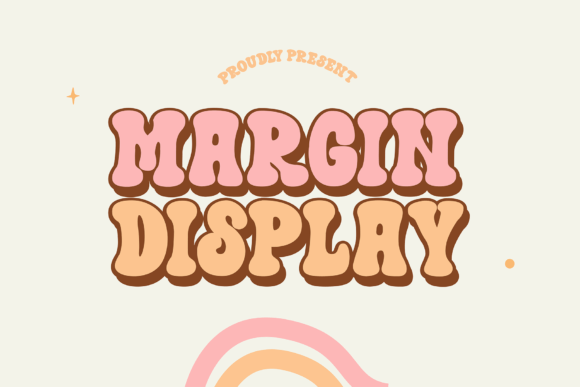
There’s something undeniably magnetic about a typeface that feels like it has a story to tell. Margin Display is exactly that kind of premium font—a charming retro display typeface that captures the essence of vintage design while feeling surprisingly fresh. Its playful curves and bold lines evoke a sense of nostalgia, reminiscent of the groovy styles from the past, yet it carries a modern edge that makes it incredibly versatile for today's creative projects. If you’re searching for a creative font that injects personality and warmth into your work, this one deserves a closer look.
Why This Retro Font Still Feels Modern
What sets Margin Display apart from other vintage-inspired typefaces is its balanced approach. It doesn’t just mimic old styles; it reinterprets them with a clarity that suits contemporary visual communication. The letterforms are bold and confident, yet they maintain a friendly, approachable character. This makes it an excellent choice for projects where you want to stand out without alienating your audience. Whether you're designing a logo for a new coffee shop, creating packaging for artisanal goods, or crafting social media graphics for a boutique brand, this display font brings a unique blend of nostalgia and relevance.
Think about the brands that resonate with you. Often, their visual identity tells a story through typography alone. A font like Margin Display can help you build that narrative. Its retro vibe can signal authenticity, craftsmanship, and a connection to tradition—qualities that many consumers value. At the same time, its clean execution ensures it doesn’t look dated or out of place on a modern website or in a sleek editorial design.
Practical Applications for Designers and Entrepreneurs
Let’s get specific about where this typeface shines. For logo design, Margin Display offers strong visual impact. Its distinctive letter shapes create memorable wordmarks that are easy to recognize, which is crucial for brand recognition. Imagine a logo for a retro diner, a vinyl record store, or a handmade cosmetics line—the font’s character aligns perfectly with these themes.
In packaging design, the font’s boldness ensures key information like the brand name or product title stands out on the shelf. It’s particularly effective for labels on jars, bottles, or boxes where you want to convey a handcrafted or artisanal quality. Pair it with a simple sans serif font for body text, and you create a clear hierarchy that guides the customer’s eye.
For digital creators, this typeface is a powerhouse for social media graphics. Its high legibility at various sizes makes it ideal for Instagram posts, Pinterest pins, or Facebook banners. The nostalgic feel can help your content feel more personal and engaging, which often leads to higher audience interaction. It’s also a great fit for blog headers or website hero sections where you want to make a strong first impression.
Don’t overlook print applications either. Margin Display works beautifully on posters, invitations, and merchandise like T-shirts or tote bags. Its style is versatile enough for event promotions, wedding stationery, or branded merchandise for a small business. The key is to match the font’s personality with your project’s goal—a playful event poster versus a sophisticated gala invitation, for example.
How to Use Margin Display Effectively
Choosing the right font style is just the first step. To make the most of Margin Display, consider these practical tips for typography in your projects.
Font Pairing is Crucial. A bold display font like this one often works best when paired with a more neutral typeface. Try combining it with a clean sans serif for body text or a subtle serif font for a classic contrast. This pairing ensures your designs remain readable while letting the display font command attention where it matters most.
Test for Readability. While Margin Display is designed for impact, always test it in context. Check how it looks at different sizes, especially for longer headlines or subheadings. Ensure there’s enough contrast between the text and background colors. Good readability is non-negotiable, whether it’s on a mobile screen or a printed flyer.
Review the Included Styles. Many premium fonts come with multiple weights or stylistic alternates. Explore what’s included with your license. You might find swashes, ligatures, or alternate characters that can add extra flair to your designs. Using these features thoughtfully can elevate your work from good to exceptional.
Consider Commercial Licensing. If you’re using the font for client work or selling products that feature it, ensure you have the correct commercial font license. This is a critical step for avoiding legal issues down the line. Most foundries offer clear licensing options for different use cases.
Building a Cohesive Brand Identity
Typography is a cornerstone of brand identity. The fonts you choose become part of your brand’s visual language, influencing how customers perceive your business. Margin Display, with its distinctive retro charm, can help define a brand that feels authentic, creative, and full of character.
Imagine using it consistently across your touchpoints: your logo, website headers, social media templates, and packaging. This consistency builds recognition. When people see that unique lettering, they’ll start to associate it with your brand’s values and aesthetic. It’s a powerful way to create a memorable impression in a crowded market.
For small business owners and entrepreneurs, this kind of visual coherence can level the playing field. You don’t need a huge budget to look professional and intentional. A well-chosen typeface like Margin Display, used thoughtfully across all your materials, can make your brand look established and trustworthy.
A Final Thought on Creative Fonts
Ultimately, the best font is the one that serves your project’s story. Margin Display isn’t just a collection of letters; it’s a design tool with a specific personality. Its strength lies in its ability to connect with an audience on an emotional level, triggering a sense of nostalgia while feeling completely at home in modern design contexts.
As you explore your next creative project—whether it’s a digital product, a marketing campaign, or a personal craft—consider what you want your typography to say. Does your design need a touch of vintage flair? A bold statement? A friendly invitation? If any of those resonate, giving this retro display font a try might just be the creative spark you’ve been looking for.