Cheese: The Playful Display Font for Creative Projects
You know that moment when a design feels just right? When the typography clicks with the visual style, creating an instant connection with the viewer? That's the magic a well-chosen font can bring. If you're searching for a typeface that radiates warmth, friendliness, and a touch of whimsy, Cheese might be the playful solution your next project needs. This display font is crafted to stand out, offering a fun and approachable character that's surprisingly versatile across various creative applications.
Understanding the Personality of This Typeface
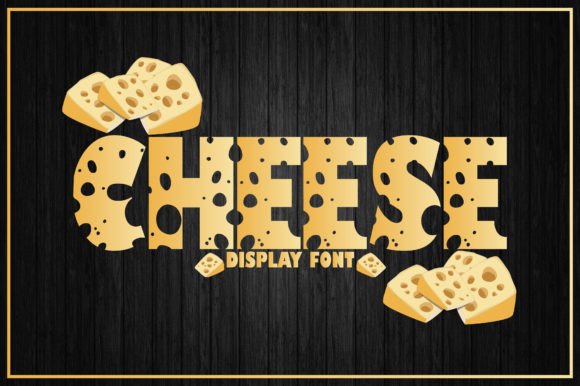
At its core, Cheese is a display font designed for impact. Unlike body text fonts meant for long paragraphs, display typefaces are the showstoppers—the ones you use for headlines, logos, and key visual elements that need to grab attention immediately. What makes Cheese visually appealing is its rounded forms, subtle irregularities, and a generally cute aesthetic. It avoids sharp, aggressive angles, instead opting for softer curves that evoke a sense of approachability and creativity. This isn't a font that demands to be taken seriously in a corporate boardroom; rather, it invites playfulness and imagination. It's the kind of creative font that can make a children's book title sing or a bakery's logo feel instantly welcoming.
Where This Font Truly Shines: Practical Applications
The real test of any design asset is how it performs in the real world. Cheese isn't just a pretty face; it has practical utility across a spectrum of projects. Let's break down where it can be most effective.
For Branding and Logo Design
Building a brand identity requires consistency and character. If your brand voice is friendly, approachable, youthful, or creative, Cheese can become a cornerstone of your visual language. Imagine it used for a craft brewery's wordmark, a children's clothing line, or a indie coffee shop. Its distinct personality helps with brand recognition—people will start to associate that unique lettering with your business. Remember, a logo is more than just a symbol; it's often the first impression, and a display font like this can set the perfect tone.
Packaging and Product Design
On a crowded shelf, packaging needs to tell a story quickly. Cheese can add a handmade, artisanal quality to labels for jams, sauces, snacks, or cosmetics. It works exceptionally well for products targeting a family or fun-loving audience. The key is readability. While it's decorative, the letters are distinct enough to remain legible when printed at the sizes typical for product names and taglines. Always test your packaging mockups to ensure the font holds up from a distance.
Digital Presence: Websites, Blogs, and Social Media
In the digital realm, personality cuts through the noise. Use Cheese for website headers, blog post titles, or call-to-action buttons to inject energy into your layout. On social media, it's perfect for Instagram stories, quote graphics, or YouTube thumbnails where you need text that pops. Pairing it with a clean, simple sans serif font for body text creates a balanced and professional look, ensuring your message is both engaging and easy to read.
Marketing and Editorial Materials
From event posters and flyers to email newsletters and digital ads, marketing materials thrive on visual hierarchy. Cheese can highlight key information—like a sale announcement or an event date—in a way that's memorable. For editorial design, think of chapter headings in a cookbook or section dividers in a magazine. It adds a decorative touch without overwhelming the content, provided it's used strategically.
Making Things: Invitations, Merchandise, and More
The charm of Cheese extends into personal and commercial crafts. It's a fantastic choice for wedding invitations with a casual theme, birthday party decor, or custom merchandise like t-shirts and tote bags. For digital products like printable planners or stickers, it can define the entire aesthetic. The font's inherent cheerfulness makes it ideal for projects meant to evoke joy and celebration.
Integrating Cheese Into Your Design Workflow
Simply liking a font isn't enough; you need to use it effectively. Here’s some practical advice for incorporating this or any premium font into your work.
Match Font to Project Goal: Always start with the project's objective. Is the goal to appear trustworthy, luxurious, or energetic? Cheese leans towards playful and friendly. If your project requires a serious, formal tone, this might not be the right fit, and you'd be better served by a classic serif font or a professional sans serif.
Test Font Pairings: A display font like Cheese rarely works well for paragraphs of text. The golden rule is to pair it with a more neutral, highly readable typeface. A simple geometric sans serif or a traditional serif can provide excellent contrast. Experiment with combinations to see what feels balanced.
Prioritize Readability: This is non-negotiable. No matter how beautiful a font is, if your audience can't read it, the design fails. Test Cheese at the actual size it will appear in your design. Check the clarity of letters like 'a', 'e', 's', and 'g'. Ensure it works in both light and dark backgrounds if your project requires that flexibility.
Review Included Styles: Many commercial fonts come with multiple weights or styles (like bold, italic, or outline). Check what's included with Cheese. Having a bold version can be useful for creating stronger emphasis, while an italic might add a dynamic flair for specific text elements.
Understand Licensing: This is crucial, especially for commercial use. Always verify the font's license. A true commercial font will have clear terms allowing you to use it in client work, products for sale, and advertising. Respect the creator's work by ensuring you have the proper rights for your intended use.
The Bigger Picture: Typography as a Communication Tool
Choosing a font like Cheese is a decision about visual communication. It's a tool to convey a specific emotion and connect with a specific audience. In a world saturated with generic visuals, using a distinctive yet functional typeface can make your work stand out. It contributes to the overall professional presentation of your project, showing that you've paid attention to every detail. Ultimately, the right typography doesn't just decorate; it enhances understanding, builds trust, and drives audience engagement. Whether you're a designer crafting a brand, an entrepreneur launching a product, or a hobbyist creating something special, giving careful thought to your font choices is an investment in the clarity and impact of your message.